May 20, 2026
Navigating the complex world of automotive maintenance often feels like traversing a labyrinth of technical jargon and conflicting advice. Among all the components that keep a vehicle moving, the transmission remains perhaps the most misunderstood and feared. Many drivers view any sign of transmission trouble as an immediate death sentence for their car, imagining massive repair bills and weeks without transportation. This anxiety is frequently fueled by myths passed down through generations of car owners or outdated information from an era when automotive technology was far simpler. Understanding the reality of modern gearbox health is essential for any vehicle owner who wishes to make informed decisions about their mobile investment.
The transmission is a marvel of engineering, responsible for transferring power from the engine to the wheels with precision and timing. Whether a vehicle utilizes a sophisticated electronic automatic system or a traditional stick-shift, the complexity involved is immense. Because of this complexity, the industry is rife with misconceptions that can lead to unnecessary stress or, conversely, neglect of vital maintenance. By deconstructing these fallacies, we can empower drivers to approach service centers with confidence, ensuring they receive the appropriate care for their specific mechanical needs without overpaying for services they might not require.
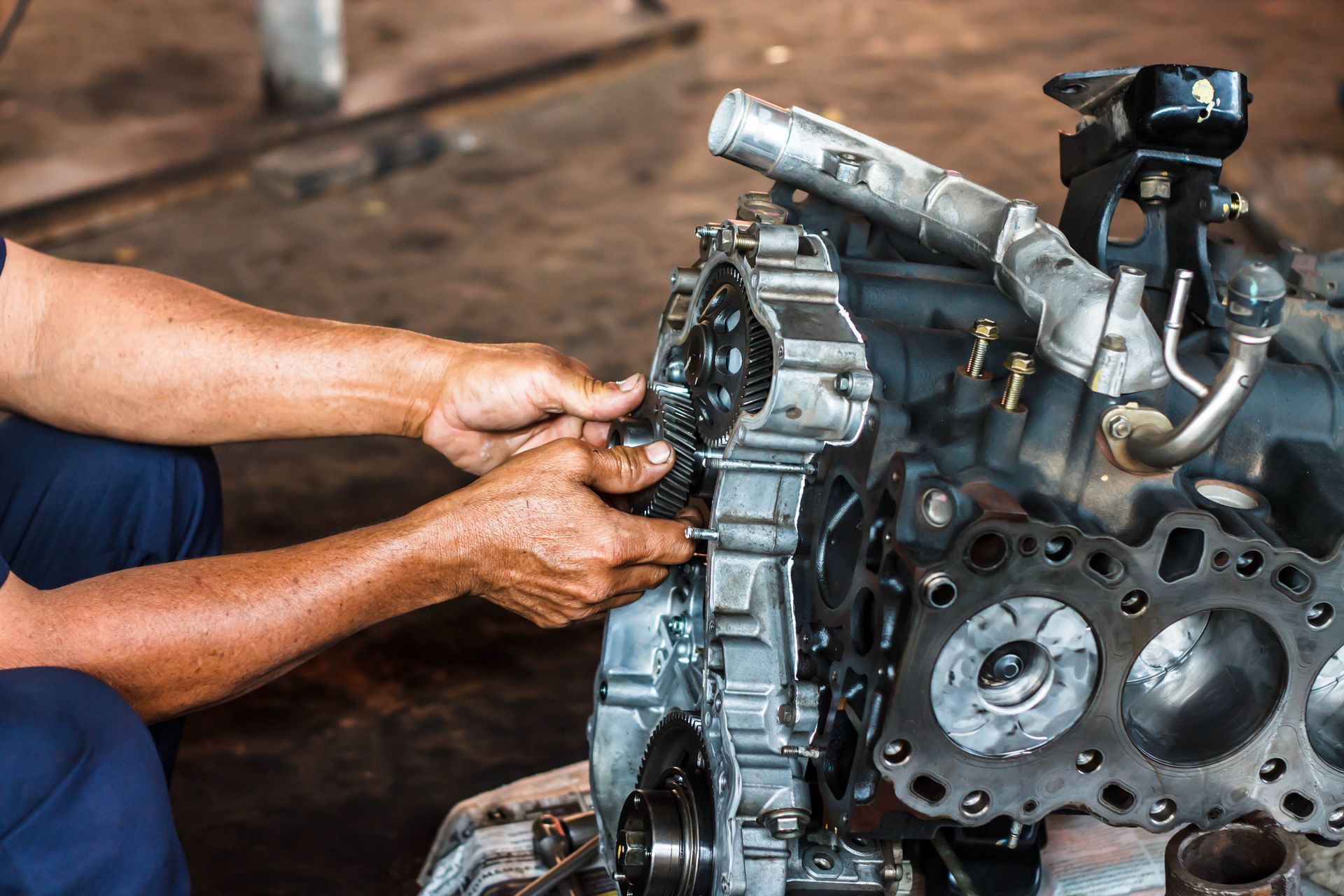
When internal wear does become significant, many owners assume their only options are a brand-new factory unit or a used one from a salvage yard. However, a transmission rebuild offers a middle ground that provides like-new performance. This process involves disassembling the unit, cleaning every component, and replacing only the worn or damaged parts with updated versions. It is a meticulous restorative process that addresses the root cause of failure while retaining the original housing. Choosing a transmission rebuild over a total replacement can often provide a more tailored solution, as it allows technicians to install improved parts that may not have been available when the vehicle was first manufactured.
Debunking The Immediate Replacement Myth
A prevalent misconception among motorists is the belief that any shudder, slip, or delayed shift necessitates a total replacement of the unit. In reality, many transmission issues originate from minor external factors or electrical sensors. Modern vehicles rely heavily on computer modules to dictate shift patterns. A faulty solenoid or a frayed wire can mimic the symptoms of a catastrophic internal failure. Jumping to the conclusion that a new unit is required often leads to premature financial strain. Professional diagnostics can frequently pinpoint a specific localized issue that is fixable without disturbing the core of the system.
Technicians use advanced scanners to communicate with the vehicle's brain, identifying faults that are invisible to the naked eye. Often, a simple software update or a sensor swap can restore perfect functionality, saving the owner significant money and time. It is vital to seek a thorough inspection before committing to extensive mechanical work. The fear of the unknown often drives car owners to accept the most expensive solution presented to them. However, many transmission problems are actually peripheral. For instance, a clogged cooling line can cause overheating, which leads to erratic shifting. Clearing that line is a straightforward task compared to opening up the gearbox. Similarly, a vacuum leak or a throttle position sensor issue can trick the transmission into shifting at the wrong time. By approaching the problem with a skeptical mind toward the total failure narrative, drivers can find more economical paths to reliability.
Analyzing The Fluid Change Controversy
There is a persistent old wives' tale suggesting that changing the fluid in a high-mileage vehicle will actually cause the transmission to fail. The logic behind this myth is that the grit in the old fluid is the only thing providing enough friction for the worn internal clutches to grab. While it is true that a neglected transmission might fail shortly after a fluid change, the service is rarely the cause. Instead, the failure was already imminent due to years of neglect. Fresh fluid, with its high detergent content, might simply wash away the debris that was masking a terminal condition.
Regular fluid maintenance is the single most effective way to prevent the need for a transmission rebuild in the future. Fluid serves as a hydraulic medium, a lubricant, and a coolant. Over time, heat breaks down the chemical properties of the oil, reducing its ability to protect metal surfaces. According to HowStuffWorks, about 3% of cars sold in the U.S. have a manual transmission. For the overwhelming majority of drivers using automatic systems, the fluid handles even more thermal stress and must be kept clean. Modern synthetic fluids are engineered to last longer than older organic oils, yet they still eventually succumb to thermal degradation. When the fluid darkens and takes on a burnt aroma, it loses its ability to carry away heat from the delicate internal components. Establishing a consistent schedule for fluid inspections can catch these issues before they escalate.
Evaluating The Check Engine Light
Many drivers ignore a glowing dashboard lamp if the vehicle seems to be driving normally. However, the onboard diagnostic system is often the first to detect subtle pressures or timing variances within the gearbox long before the driver feels a physical symptom. Waiting for a loud noise or a complete loss of motion usually means that a minor adjustment has evolved into a major mechanical catastrophe. The light serves as an early warning system designed to save the owner from the high costs associated with extensive internal damage.
Ignoring these warnings often forces a situation where a transmission rebuild becomes the only viable path forward. When a sensor reports an incorrect gear ratio or a circuit error, the computer may put the vehicle into a protective mode, often called limp mode, to prevent further destruction. This mode limits the vehicle to a single gear to allow the driver to reach a service center without melting the internal components.
Clarifying The Repair Duration Expectations
Another common misunderstanding involves the time required for professional service. Some owners expect a transmission fix to be as quick as an oil change, while others fear their car will be stuck in the shop for a month. The reality depends heavily on the depth of the work. Simple sensor replacements or fluid services can often be completed within a single day. However, a high-quality transmission rebuild is a labor-intensive process that requires several days of focused attention. It involves precise measurements, specialized tools, and a clean environment to ensure no contaminants enter the hydraulic circuits.
Recognizing The Value Of Specialization
The final misconception is that any general repair shop is equally equipped to handle transmission work. While general technicians are excellent for brakes, suspension, and basic engine work, the transmission is a specialized field. It requires dedicated diagnostic software and heavy-duty benches designed specifically for drivetrain teardowns.
The cloud of mystery surrounding transmission repair often leads to unnecessary anxiety and poor financial decisions. By recognizing that replacement is not always the first resort, that fluid changes are a preventative necessity rather than a risk, and that the check engine light is a helpful ally, drivers can take control of their automotive health. Understanding the depth and value of a restorative process ensures that your vehicle remains a reliable tool for your daily life.
At Meyer Auto Services, we are committed to providing transparent, expert guidance to help you navigate these complex mechanical decisions and keep your vehicle performing at its absolute best.