June 15, 2026
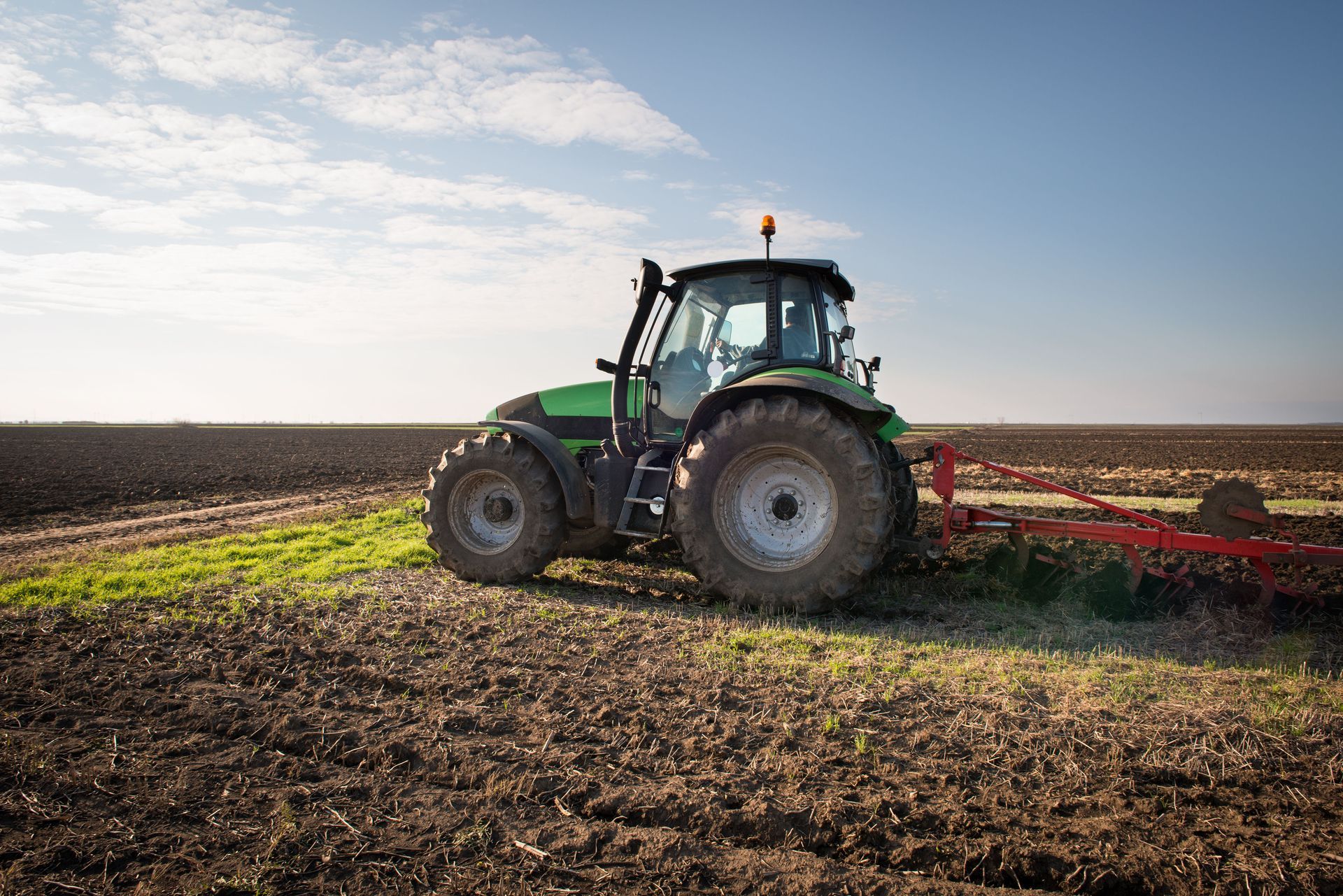
The importance of maintaining farm equipment, especially tractors, cannot be overstated as the critical harvest season approaches. Efficient farm operations hinge significantly on the reliability of tractors, which are central to a myriad of tasks from plowing fields to transporting harvested crops. Detecting early signs that your machinery requires professional agricultural repair is crucial to prevent costly breakdowns and minimize downtime during the peak season. A protracted delay during this period can derail farming activities, causing significant financial losses. Thus, being vigilant and addressing potential problems early is a necessity for sustainable agricultural operations.
1. Unusual Noises from the Engine
1.1 Identifying Common Noises
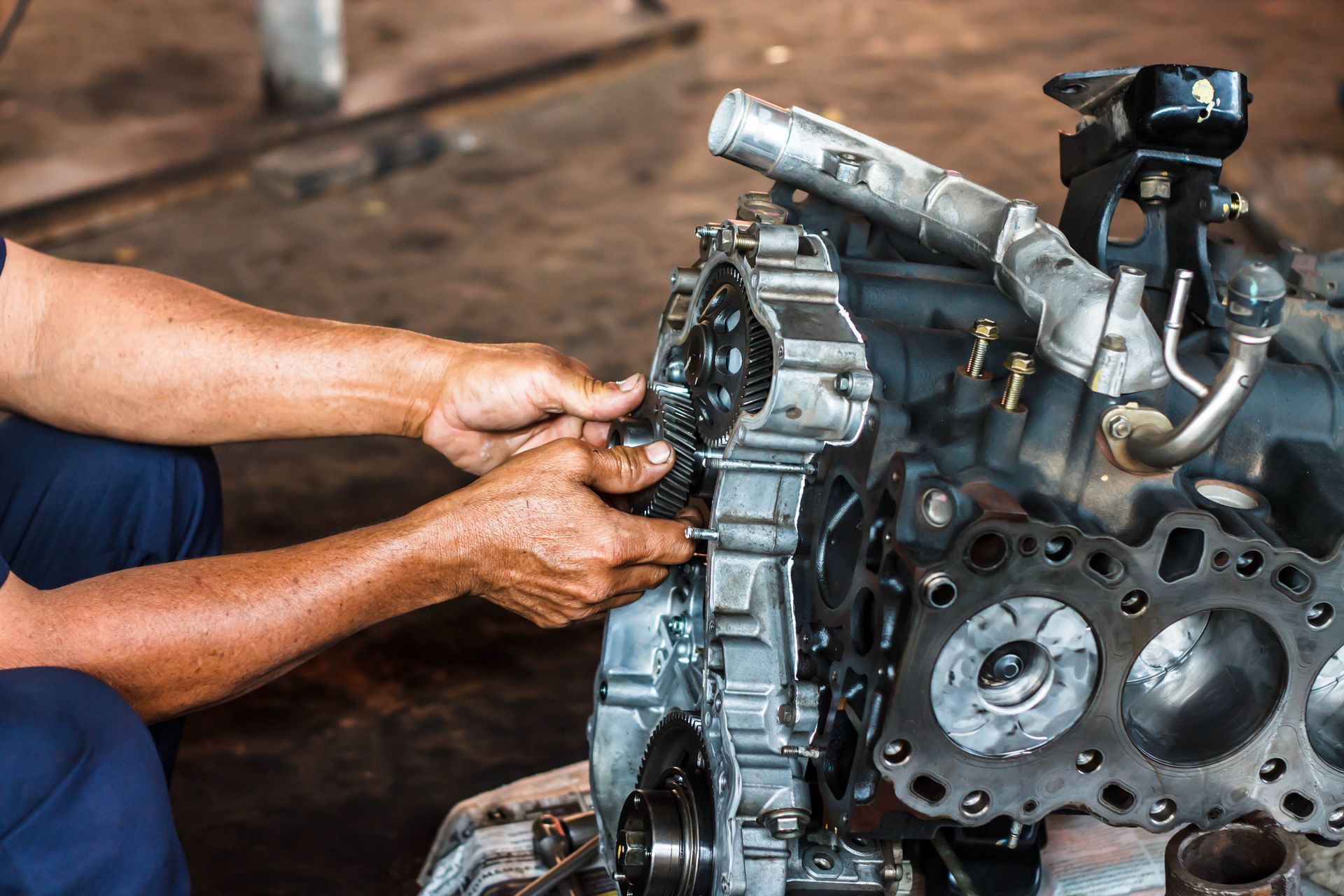
Tractors often communicate their mechanical health status through distinct sounds. Sounds such as knocking, rattling, or hissing can indicate different underlying issues that require immediate attention. Knocking noises might suggest problems with the engine bearings, while hissing could point to steam leaks or pressure buildups. Each unexpected noise acts as a warning signal, prompting further investigation to prevent the escalation of internal damage. Regularly training yourself to recognize these sounds can save substantial costs and drastically reduce machine downtime.
1.2 Causes of Engine Noises
Engine noises can stem from a variety of causes, each requiring a different diagnostic focus. Loose components can create rattling sounds, while deep knocking might be caused by low oil levels or severe ignition problems. Over time, worn parts lead to increased friction, contributing to high-pitched squealing sounds within the engine bay. Awareness of these causes can aid in diagnosing problems early, greatly reducing overall repair time. Identifying the root cause accurately ensures that your subsequent actions are both effective and efficient.
1.3 Risks of Ignoring Engine Sounds
Ignoring unusual noises from your tractor's engine can lead to severe, long-term mechanical damage. Persistent sounds often signify deeper structural issues that, if left unaddressed, may lead to the complete breakdown of vital components. This neglect can also escalate unexpected operational costs exponentially. According to Bureau of Labor Statistics data, farm equipment repair costs spiked 41% from 2020-2024, doubling over two decades. Therefore, timely intervention upon detecting unusual noises protects the financial health and safety of your farm operations.
2. Inefficient Fuel Consumption
2.1 Signs of Increased Fuel Usage
Efficient fuel consumption is critical to the performance and cost-effectiveness of modern tractors. Indicators of increased fuel usage include the need for frequent refueling and a noticeable decrease in overall tractor pulling power. These signs often point toward underlying issues such as fuel leaks or partial blockages in fuel lines, which waste precious resources. The impact of inefficient fuel consumption on a farmer's bottom line cannot be ignored as fuel bills accumulate over time. Monitoring fuel usage closely can reveal hidden issues early, allowing for preemptive maintenance and scheduled agricultural repair.
2.2 Common Fuel System Issues
Several mechanical problems can affect a tractor’s fuel system, impacting overall operating efficiency. Blockages in fuel lines, often caused by debris or sediment, restrict fuel flow and reduce engine performance. Fuel filters can also become clogged rapidly, necessitating more frequent replacements to maintain optimal functionality. Additionally, fuel injectors may deteriorate over time, leading to irregular fuel flow and increased consumption. Addressing these common fuel system issues through regular maintenance ensures that the tractor runs efficiently, conserving fuel and reducing related costs.
2.3 Maintenance Practices to Improve Efficiency
Implementing regular maintenance practices for the fuel system is crucial for maintaining tractor efficiency. Scheduled inspections and cleaning of fuel lines can prevent blockages that lead to inefficient fuel consumption. Replacing fuel filters at recommended intervals ensures unimpeded fuel flow, allowing the engine to operate smoothly under heavy loads. Regular checks of injector function can further help maintain fuel efficiency, preventing unnecessary wastage of resources. These proactive maintenance steps collectively contribute significantly to the tractor's overall performance and fuel economy.
3. Difficulty in Starting the Tractor
3.1 Battery Health and Connections
A battery in optimal condition is foundational to the reliable starting of any heavy agricultural tractor. Regularly checking battery health—such as its charge level and the tightness of terminal connections—can greatly reduce start-up issues. Corroded or loose terminals often lead to poor electrical contact, causing the tractor to struggle when starting. Incorporating routine checks and cleaning of battery terminals into maintenance can ensure a steady supply of starting power. Additionally, replacing a weak or old battery preemptively can avert unexpected work interruptions during critical farming periods.
3.2 Starter Motor Failures
The starter motor is another component that plays a crucial role in the mechanical starting mechanism. If the tractor experiences sluggish starts or fails to respond entirely, the starter motor may be the culprit. A failing starter motor often emits a clicking sound, indicating it requires immediate repair or replacement. Over time, starter motor issues can worsen, potentially leaving the tractor unusable during pivotal farming activities. Prompt diagnosis and addressing starter motor problems can prevent potential cascading failures within the tractor's electrical system.
3.3 Ignition System Concerns
Problems within the ignition system can significantly impact the ability of the tractor to start reliably. A malfunctioning ignition switch or wiring issues can interrupt the ignition sequence, preventing the tractor from starting smoothly. Additionally, worn-out spark plugs or glow plugs can impede the ignition process, affecting fuel combustion efficiency. Regular checks on ignition components can help detect wear and tear early, facilitating timely replacements. Addressing these concerns prevents starting problems from compromising the productivity of farm operations.
4. Hydraulics Malfunctions
4.1 Basics of Tractor Hydraulics
Hydraulic systems in tractors power vital functions, such as lifting and adjusting heavy implements. These systems consist of complex components that convert hydraulic fluid pressure into mechanical energy. Understanding the basics of how these systems operate is essential for identifying potential malfunctions early. Inspecting hydraulic hoses, pumps, and fluid levels can provide insight into system health and functionality. Vigilance in maintaining the hydraulic system prevents operational delays and extends the longevity of the tractor.
4.2 Recognizing Hydraulic Leaks
Hydraulic leaks are common but serious issues that can compromise the efficiency of a tractor’s hydraulic system. Indicators of leaks include visible oil stains under the tractor or moist fittings and seals. Such leaks can diminish hydraulic fluid levels, resulting in a loss of pressure and reduced power of hydraulic functions. Left unaddressed, these leaks can lead to significant energy inefficiency and potential mechanical failures. Routine inspection and timely leak repairs are integral to maintaining a functional hydraulic system, ensuring seamless farm operations.
4.3 Common Hydraulic System Failures
Several common failures can affect the hydraulic systems of tractors, impacting their operational capability. Pump failure is a significant issue that reduces fluid transmission, affecting tool responsiveness. Valve blockages can similarly impede fluid flow, leading to less precise control over attached equipment. Fluctuating fluid pressure is another indicator of system malfunctions that may require comprehensive inspection. Seeking timely agricultural repair for hydraulic issues ensures the tractor remains versatile and effective in managing various agricultural tasks.
Being proactive about tractor maintenance is vital for any successful farming operation, particularly during the harvest season. Early attention to signs such as unusual engine noises, fuel inefficiencies, starting problems, hydraulic malfunctions, transmission issues, and steering troubles can prevent costly downtime. Overall, ensuring the tractor's readiness contributes to a smooth and productive harvest season, safeguarding the farm's operations and financial health. Proactive identification and management of potential issues ensure that tractors remain in optimal condition, maximizing their operational lifespan.
Investing in regular maintenance and timely agricultural repair reflects a foresight that protects and enhances agricultural productivity. For more information, contact Meyer Auto Services today.